Mastering Conversational AI: A Comprehensive Guide to the Future of Interaction
In today’s rapidly evolving technological landscape, one field stands out for its transformative potential: conversational AI. This sophisticated branch of artificial intelligence is revolutionizing how humans interact with machines, moving beyond simple commands to engage in nuanced, natural dialogues. From customer service chatbots to sophisticated virtual assistants, conversational AI is no longer a futuristic concept; it’s a present-day reality that is reshaping industries and enhancing user experiences.
This comprehensive guide will delve deep into the world of conversational AI, exploring its core components, its myriad benefits, its practical applications, and the exciting future it promises. If you’re also exploring automation in marketing, you may find our guide on
AI automation for digital marketers useful.
What Exactly Is Conversational AI?
At its heart, conversational AI refers to technologies that enable computers to understand, process, and respond to human language in a way that mimics natural conversation. This involves a complex interplay of various AI disciplines, primarily natural language processing (NLP), natural language understanding (NLU), and natural language generation (NLG).
Think about your interactions with virtual assistants like Siri, Alexa, or Google Assistant. When you ask a question, the conversational AI behind these devices first uses NLU to decipher your query. It identifies keywords, understands the grammatical structure, and discerns your underlying intent.
The Key Components of Conversational AI
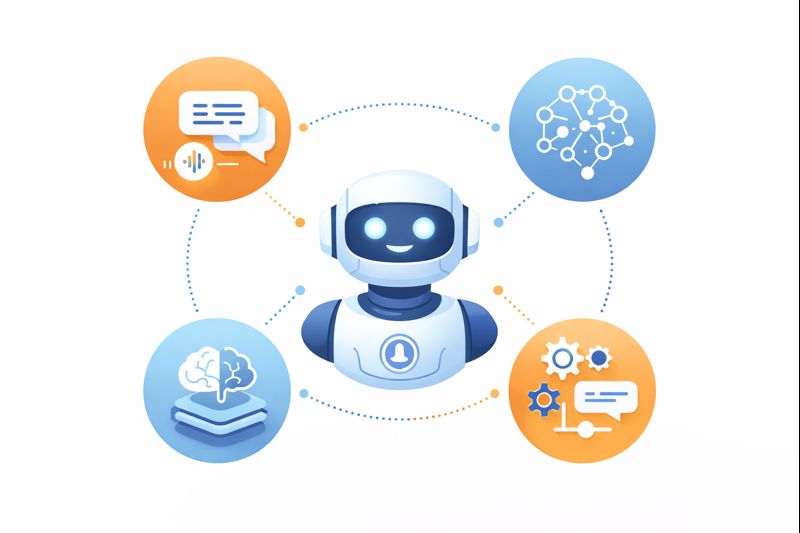
Understanding the foundational elements of conversational AI is crucial for appreciating its capabilities:
- Natural Language Processing (NLP): Enables machines to analyze and understand human language.
- Natural Language Understanding (NLU): Focuses on identifying intent and extracting meaning.
- Natural Language Generation (NLG): Converts structured data into human-like responses.
- Machine Learning (ML): Helps systems learn and improve over time.
- Dialog Management: Maintains context and conversation flow.
To understand how these components are used in real-world automation workflows, check our insights on
AI agents and workflow automation.
The Multifaceted Benefits of Conversational AI
Enhanced Customer Experience
Conversational AI-powered chatbots and virtual agents provide instant, 24/7 support, reducing wait times and improving satisfaction. Personalized responses based on previous interactions further strengthen customer engagement.
Increased Operational Efficiency
By automating repetitive queries, conversational AI reduces operational costs and human workload. This is especially powerful when combined with CRM and marketing automation systems.
Improved Data Collection and Analysis
Every interaction generates valuable insights into customer behavior and intent. Businesses leveraging this data gain a competitive edge through smarter decision-making and optimization.
Scalability and Availability
Conversational AI systems scale instantly and operate continuously, ensuring consistent support during peak demand without performance drops.
Personalization at Scale
AI-driven personalization enhances engagement and conversion rates by tailoring responses, recommendations, and messaging for each user.
Real-World Applications of Conversational AI

The versatility of conversational AI has led to widespread adoption across industries:
Customer Service and Support
Chatbots handle inquiries, orders, and issue resolution across websites, apps, and social platforms.
Virtual Assistants
AI assistants help users manage tasks, schedules, and smart devices using natural language.
E-commerce and Retail
Conversational AI boosts conversions through guided shopping, recommendations, and instant assistance.
Healthcare
AI assists with appointment scheduling, symptom checks, and patient engagement.
Finance and Banking
Chatbots help customers manage accounts, payments, and financial queries securely.
Education
AI-powered tutors provide personalized learning support and on-demand explanations.
Human Resources
HR chatbots automate employee queries, onboarding, and policy guidance.
Challenges and Considerations in Conversational AI Implementation
Data Privacy and Security
Protecting sensitive data and complying with regulations is critical.
Ethical Considerations
Bias, transparency, and responsible AI usage must be addressed proactively.
Complexity of Language
Nuance, sarcasm, and ambiguity remain challenging for AI systems.
Integration with Existing Systems
Technical integration with legacy platforms requires planning and investment.
The Future of Conversational AI
The future points toward more human-like, multimodal, and hyper-personalized AI experiences. Businesses that align conversational AI with broader digital strategies, like those discussed in our
digital growth and automation guides, will stay ahead.
Conclusion
Conversational AI is transforming digital interaction. From efficiency and personalization to scalability and insight-driven decisions, its impact is profound. As technology advances, mastering conversational AI will be essential for businesses aiming to remain competitive and relevant in the digital era.